
 Dutch
Dutch  Czech
Czech
 Danish
 German
 English
 Spanish
 French
 Hungarian
 Italian
 Japanese
 Korean
 Norwegian
 Polish
 Portuguese
 Romanian
 Slovene
 Swedish
 Turkish
Rig Tradeline
Marktbeweging structureringsproces verbeterd door Rig Tradeline
Nu aanmelden
Gestructureerde analyse binnen Rig Tradeline bewaakt verschuivende gedragsignalen en zet onrustige marktbewegingen om in een duidelijke richting. Elke verfijningsfase stabiliseert binnenkomende activiteiten, waardoor adaptieve modellen met een evenwichtige balans kunnen bewegen terwijl bekende ritmepatronen worden geïdentificeerd die consistente interpretatieve diepte versterken over verschillende omstandigheden.
Realtime evaluatie binnen Rig Tradeline onthult het contrast tussen de verwachte richting van de stroom en het actieve marktgedrag, waarbij vroegtijdige tekenen van afwijking van de verwachte structuur worden blootgelegd. Snelle adaptieve correctie past de interne nadruk aan, waardoor verspreide bewegingen in een geünificeerde analytische schets worden geleid die de dominante marktpositionering weerspiegelt met betrouwbare precisie.
Doorlopende vergelijkingsanalyse over Rig Tradeline verbetert de structurele nauwkeurigheid door nieuw gevormde gedragssporen af te stemmen op bewezen historische referenties. Dit gevalideerde proces ondersteunt stabiel interpreterend vertrouwen tijdens snelle marktveranderingen, met behoud van zichtbare duidelijkheid terwijl intensiteitspatronen op- of afnemen. Cryptocurrency-markten zijn zeer volatiel en verliezen kunnen zich voordoen.
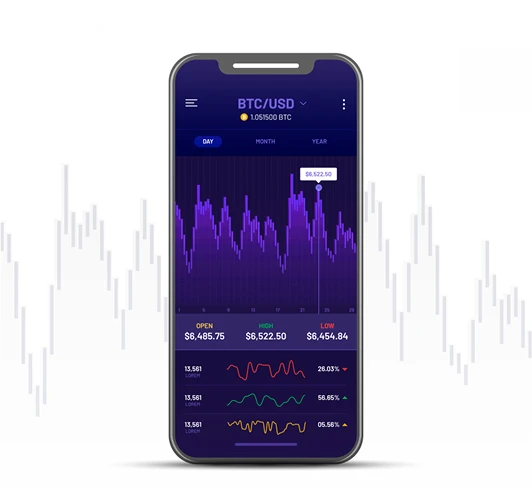
Via tijd ingedeelde evaluatie binnen Rig Tradeline combineert huidige marktbewegingen met eerdere gedragsbenchmarks. Herhalende bewegingspatronen worden naast eerdere cycli geïnspecteerd, waardoor interpretatie wordt gestabiliseerd bij verschuivingen van marktrichtingen. Deze vergelijkende methode handhaaft een stabiele perceptie en ondersteunt een gebalanceerd analytisch standpunt tijdens aanhoudende schommelingen.

Progressief inzicht komt binnen in Rig Tradeline door voorspelde paden te bestuderen tegen gearchiveerde bewegingsseries. Elke beoordelingsperiode past de analytische structuur aan om de huidige omstandigheden te weerspiegelen, met bevordering van een stevige zichtbaarheid over uitgebreide intervallen. Deze evoluerende herkalibratie handhaaft een stevig interpreterend ritme en behoudt een stabiele analytische volgorde, waarbij gebruikers eraan herinnerd worden dat cryptocurrency-markten zeer volatiel zijn en verliezen kunnen optreden.

Rig Tradeline verbindt actieve patroonlezingen met langdurige gedragspatronen om consistente helderheid te behouden tijdens plotselinge richtingsveranderingen. Elke herkalibratiestap stemt verse ontwikkelingen af met bewezen structurele richtlijnen, waardoor samenhangende analyses worden ondersteund terwijl de momentum zich uitbreidt of vertraagt. Dit gereguleerde proces behoudt interpretatieve stabiliteit zonder verbinding te maken met uitwisselingen of handelsacties.
Rig Tradeline past gestructureerd multi-stage onderzoek toe om forecastverwachtingen af te stemmen op veranderende analytische inputs. Eerdere gedragsarchieven worden gecombineerd met live herkalibratiecycli om samenhang te behouden terwijl marktritmes zich aanpassen. Deze voortdurende harmonisatie ondersteunt duurzame interpretatieve stabiliteit en behoudt evenwicht op lange termijn, waarbij gebruikers eraan wordt herinnerd dat cryptomarkten zeer volatiel zijn en verliezen kunnen optreden.

Rig Tradeline transformeert gemapte besluitstroompatronen in gesynchroniseerde gedragspatronen die worden gedeeld over gekoppelde analytische kanalen. Instructielagen en signaalgebaseerde modellen worden gereproduceerd met proportionele timing, waardoor strategische samenhang wordt versterkt en consistente directionele vorming wordt gehandhaafd door gevarieerde omstandigheden.
Gespiegelde analytische patronen binnen Rig Tradeline ontvangen ononderbroken evaluatie om de uitlijning met oorspronkelijke structuren te verifiëren. Vergelijkende controles detecteren variatie in vroege stadia, waardoor corrigerende actie mogelijk is die een coherente interpretatieve stroom handhaaft. Snelle herkalibratie ondersteunt vloeiende structurele aanpassing wanneer externe verschuivingen zich voordoen, waardoor het uniforme systeemgedrag wordt gehandhaafd.
Geavanceerde toezichtcomponenten in Rig Tradeline reguleren elke gesynchroniseerde actie om de bedoelde analytische orde te handhaven. Validatielagen behouden structurele precisie over alle niveaus, terwijl beschermd beheersprocessen gegevensveiligheid afdwingen en operationele cohesie behouden. Deze gecontroleerde omgeving ondersteunt consistente patroonreproductie en vermindert blootstelling aan operationele instabiliteit.
Gelaagde analytische doorlopen binnen Rig Tradeline bekijken eerdere gedragsindicatoren, identificeren opkomende afwijkingen en herstellen structurele balans om te voorkomen dat legacygegevens actieve berekeningen verstoren. Elke aanpassingscyclus herstelt uniforme voorspellende structuur, waardoor voorwaartse verwachtingen stabiel en betrouwbaar blijven.
Filterfuncties in Rig Tradeline scheiden echte directioneel gedrag van tijdelijke bewegingen. Door kortstondige schommelingen te verwijderen, presenteert elke analytische fase een schonere weergave van marktrichting, waarbij een continue, goed uitgelijnde interpretatieve koers wordt gehandhaafd bij evoluerende beoordelingen.
Systeemmodules in Rig Tradeline stemmen verwachte trajecten af met gevalideerde gedragsresultaten, waarbij interne nadruk wordt gecorrigeerd wanneer afwijkingen optreden. Deze gecoördineerde verfijning versterkt de overeenkomst tussen geprojecteerde paden en echte omstandigheden tijdens herhaalde analytische cycli.
Sequentiële monitoring in Rig Tradeline controleert actieve gegevensstromen met goedgekeurde analytische baselines. Elke verificatielaag behoudt proportionele structuur, waardoor soepele aanpassing mogelijk is wanneer de marktversnelling of -vertraging optreedt.
Gecombineerde corrigerende passes en gestructureerde validatie binnen Rig Tradeline versterken de continuïteit over lange voorspellingsvensters. Elke opnieuw gekalibreerde laag verbetert de voorwaartse stabiliteit en beperkt analytische vertekening, waardoor duurzame interpretatieve helderheid wordt geproduceerd die verankerd is in vertrouwde gedragsstructuren.
Laagspecifieke analyse binnen Rig Tradeline legt subtiele marktverschuivingen vast die optreden in versnelde handelsomgevingen. Fluctuaties op fijne schaal worden geïnterpreteerd door georganiseerde gedragsmapping, waarbij verspreide impulsen worden omgezet in een eenduidige analytische stroom. Elke verscherpte doorgang verbetert de helderheid en behoudt structurele proportie tijdens snelle informatieverplaatsingen.
Aanpasbare modellering binnen Rig Tradeline transformeert elke analyseronde tot een nieuwe referentiefundering. Responsieve feedback herkalibreert interne nadruk, waardoor eerdere bevindingen soepel samensmelten met recente invoer en een gestage voorspellende traject vestigen. Opeenvolgende verfijning verhoogt de correlatiesterkte, waardoor cumulatief gedrag wordt gevormd tot betrouwbare analytische structuur.
Lopende synchronisatiefasen in Rig Tradeline mengen actieve gedragslezingen met gevestigde interpretatieve referenties. Elke recursieve verbetering verhoogt de precisie en handhaaft gebalanceerde analytische definitie. Dit ononderbroken afstemmingsproces behoudt structurele consistentie en betrouwbare helderheid over snel bewegende en complexe marktomstandigheden.

Geautomatiseerde observatiesystemen binnen Rig Tradeline volgen verschuivend marktgedrag zonder onderbreking. Veranderingen op fijne schaal gaan door versnelde verwerkingslagen, waarbij onregelmatige bewegingen worden omgezet in georganiseerde gedragsstructuur. Elke observatiefase versterkt analytische vorm en ondersteunt een stabiele interpretatie tijdens snelle marktfluctuaties.
Stroomgerichte herkalibratie in Rig Tradeline mengt inkomende bewegingssignalen met bestaand analytisch evenwicht. Directe structurele verschuivingen passen nieuwe patronen aan, waardoor vluchtige bewegingen worden gevormd tot consistente analytische vorm. Deze continue aanpassing behoudt proportionele stroom en betrouwbare nauwkeurigheid tijdens verhoogde activiteit.
Verwerking op basis van niveaus binnen Rig Tradeline verzamelt gevarieerde gedragsaanwijzingen in een gestructureerde stroom. Gelaagde filtratie verwijdert instabiele resten, waardoor directionele interpretatie helder blijft. Deze geïntegreerde mapping behoudt structurele volgorde zelfs tijdens langdurige volatiliteit.
Ongoing assessment in Rig Tradeline scherpt de voorspellende helderheid aan door elk analytisch segment te verfijnen. Projectielagen passen zich aan opkomende gedragspatronen aan, waarbij coherente interpretatie wordt gehandhaafd over verschuivende marktcondities.
De interfaceconfiguratie in Rig Tradeline organiseert diverse marktindicatoren in gestroomlijnde, leesbare lay-outs. Gelaagde weergavelogica breekt complexe details af in toegankelijke componenten, waarbij soepele navigatie en een meerlaagse interpretatieve ervaring worden ondersteund.
Interactieve weergavemotoren in Rig Tradeline zetten snelle gedragsreacties om in continue gestructureerde visuals. Responsieve modulatie benadrukt onmiddellijke gedragsverandering, en zorgt voor betrouwbare zichtbaarheid gedurende instabiele cycli.

Continue evaluatielussen in Rig Tradeline meten verschuivende momentum en herstellen interne interpretatie om consistente analytische output te behouden. Variabele bewegingssignalen gaan door voorspellende herkalibratielagen, en versterken stabiele interpretatie tijdens volatiele intervallen.
Gelaagde vergelijkingsfuncties in Rig Tradeline detecteren kloven tussen verwachte progressie en actieve beweging, herstellen structureel evenwicht door gemeten herkalibratie. Gerichte filtratie verwijdert kleine inconsistenties, beschermt duidelijke gedragspaden tijdens veranderende omstandigheden.
Matchingsprocessen binnen Rig Tradeline combineren verwachte beweging met gevalideerde referenties. Snelle herkenning van afwijking initieert directe structurele correctie, voorkomt interpretatieve afwijking en behoudt een samenhangend analytisch kader tijdens continue operaties.
Snelle verwerkingsunits in Rig Tradeline zetten voortdurende marktbeweging om in georganiseerde gedragspatronen. Geautomatiseerde detectie isoleert vroege richtingssignalen en transformeert fijne schaalactiviteit in gestructureerde analytische flow. Elke verwerkingslaag verscherpt de timingafstemming en handhaaft heldere interpretatie tijdens snel veranderende marktcycli.
Adaptieve modelleringsfuncties in Rig Tradeline vertalen directe gedragswisselingen naar gemeten analytische structuur. Vroege onregelmatigheden leiden tot geherkalibreerd wegen, behoud van betrouwbare interpretatie wanneer momentum verschuift. Elke verfijningsstap stemt analytische structuur af op gevalideerde gedragsindicatoren en zorgt voor gebalanceerde helderheid in actieve omstandigheden.
Gelaagde analytische lussen in Rig Tradeline behouden ononderbroken inzicht door constante herkalibratie. Realtime beoordeling integreert bijgewerkte observaties met bredere contextuele analyse, en handhaaft coherente interpretatie terwijl strikt gescheiden van handelsuitvoering.

Gelaagde analytische stadia binnen Rig Tradeline interpreteren verschuivende gedragsactiviteit en zetten verspreide beweging om in georganiseerde analytische structuur. Elke verwerkingslaag ontdekt gekoppelde bewegingspatronen en handhaaft soepele interpretatieve stroom tijdens volatiele fasen. Versnipperde signalen worden samengevoegd tot verenigde redenering, ondersteunen nauwkeurigheid tijdens instabiele marktcycli.
Adaptieve structurele verfijning binnen Rig Tradeline versterkt analytische coherentie door voortdurende herkalibratie. Gebalanceerd wegen vermindert vervorming en behoudt proportionele orde. Elke verfijningsronde versterkt interpretatieve stabiliteit en zorgt voor consistente helderheid bij overgangende omstandigheden.
Voorspellende koppelingsroutines ingebed in Rig Tradeline verbinden eerdere gedragsreferenties met actieve analytische inzichten. Nauwkeurigheid verbetert bij elke bevestigingspassage, transformeert opgebouwde kennis tot duurzame interpretatieve stabiliteit.

Rig Tradeline behoudt objectieve analyse door interpretatieve output te scheiden van emotionele invloed. Elke computationele laag vormt contextuele structuur gebaseerd op geauthenticeerde gedragsorde in plaats van directionele neiging. Progressieve verfijning houdt interpretatieve balans intact zonder besluitgerelateerde paden te veranderen.
Interne validatiecycli binnen Rig Tradeline bevestigen structurele afstemming vóór analytische finalisatie. Elke verificatiepassage versterkt relationele consistentie en proportionele nauwkeurigheid, waardoor neutrale interpretatie behouden blijft in alle operationele fasen.
Gedragsobservatie in Rig Tradeline controleert verenigde deelnemersbeweging tijdens actieve marktperiodes. Geautomatiseerde evaluatie meet intensiteit en tempo over groepsreacties, waardoor verspreide signalen worden omgezet in gestructureerd bewustzijn dat bredere momentumpatronen weerspiegelt.
Correlatietracking binnen Rig Tradeline isoleert verenigde groepsreacties die voortkomen uit scherpe volatiliteit. Evaluatie op meerdere niveaus meet dichtheid en ritmische stabiliteit, waardoor gecoördineerde activiteit wordt omgezet in samenhangende interpretatieve stroom die analytische helderheid versterkt.
Signaaluitlijningsmechanismen in Rig Tradeline vormen reactief gedrag om tot geproportioneerde sequenties vrij van directionele impuls. Elke evaluatielaag verwijdert sporadische onregelmatigheden en handhaaft gebalanceerde interpretatieve stabiliteit tijdens turbulente verschuivingen.
Iteratieve herkalibratie binnen Rig Tradeline meet geconcentreerde gedragsbeweging en versterkt interpretatieve afstemming door continue aanpassing. Elke optimalisatiepasse verscherpt detectie van groepsfasevariaties en ondersteunt duidelijk structureel bewustzijn in dynamische omgevingen.
Dynamische aanpassingscycli binnen Rig Tradeline behouden analytische nauwkeurigheid door geprojecteerde interpretaties af te stemmen op actief marktgedrag. Diagnostische lagen identificeren kloven tussen voorspelde en realtime activiteit, waardoor onregelmatige patronen worden omgevormd tot consistente analytische structuur. Deze voortdurende verificatie ondersteunt stabiele interpretatieve betrouwbaarheid zelfs tijdens snelle verschuivende omstandigheden.
Geïntegreerd analytisch ontwerp in Rig Tradeline koppelt vooruitziende sequenties aan bevestigde gedragsinvoer. Elke verfijningsfase synchroniseert voorspellende voortgang met geauthenticeerd marktbewijs, waardoor coherente analytische stroom en duidelijke structurele definitie worden gehandhaafd naarmate de marktritme verandert.